
Entertainment company content marketing guide for South Africa 2026
Content marketing for an entertainment company means building an audience around the stories, talent and culture behind the product, so demand exists before a title, tour or event goes on sale.
For South African brands the core principle is that cultural precision beats mass reach every time.



An effective entertainment company content marketing guide for South Africa starts with one core principle: cultural precision beats mass reach every time. The South African entertainment and media market is projected to grow to R321.2bn by 2029, with digital advertising reaching 74% of total ad spend. That growth belongs to brands that speak to specific communities, not generic audiences. Here is what a winning strategy looks like:
- Understand your audience deeply across South Africa’s 12 official languages, regional subcultures, and income segments
- Set SMART objectives tied to real business outcomes like ticket sales, subscriptions, and brand awareness
- Create culturally resonant content using episodic storytelling, short-form video, and artist spotlights
- Build influencer partnerships across micro, mid-tier, and macro creators with genuine cultural intelligence
- Prioritise video across OTT platforms, Instagram Reels, TikTok, and YouTube
- Nurture community engagement through interactive campaigns and user-generated content
- Measure everything with platform analytics and cultural sentiment tracking
- Run paid social advertising with layered demographic and behavioural targeting
- Reflect South Africa’s diversity in every content decision, from casting to language choice
- Align your brand voice with the emotional experience your audience expects from entertainment
- Use AI for scale, not shortcuts, to produce thousands of localised content variations from one brand truth
How well do you really know your South African entertainment audience?
South Africa’s entertainment audience is not one group. It is dozens of distinct communities defined by language, region, age, and cultural reference points, and treating them as a single mass is the fastest way to waste your budget.
Start by mapping your audience across the country’s major demographic segments. A Gen Z viewer in Soweto consuming Amapiano content on TikTok has almost nothing in common with a 40-year-old professional in Cape Town watching drama series on Showmax. Both matter, but they need different content, different platforms, and different tones.
Build audience personas that capture:
- Language preference: isiZulu, Afrikaans, Sesotho, English, or code-switching combinations
- Region: Gauteng, Western Cape, KwaZulu-Natal, and rural versus urban consumption habits
- Age and life stage: Gen Z, millennials, and older audiences each engage differently
- Platform behaviour: where they discover, share, and discuss entertainment content
- Cultural touchpoints: local music genres, sports, community events, and public figures they follow
Creator-led content that speaks natively to these segments consistently outperforms broad campaigns. The brands winning in South Africa right now are those that understand the difference between an urban commuter in Soweto and a student in Stellenbosch, and create content that speaks to each of them authentically.
Pro Tip: Use social listening tools like Brandwatch or native platform analytics to track which local slang, hashtags, and cultural moments are driving conversation in each audience segment before you plan your next content calendar.
How do you set clear marketing objectives for entertainment content?
Vague goals produce vague results. Every content marketing plan for an entertainment company needs objectives that connect directly to business performance, not just vanity metrics.
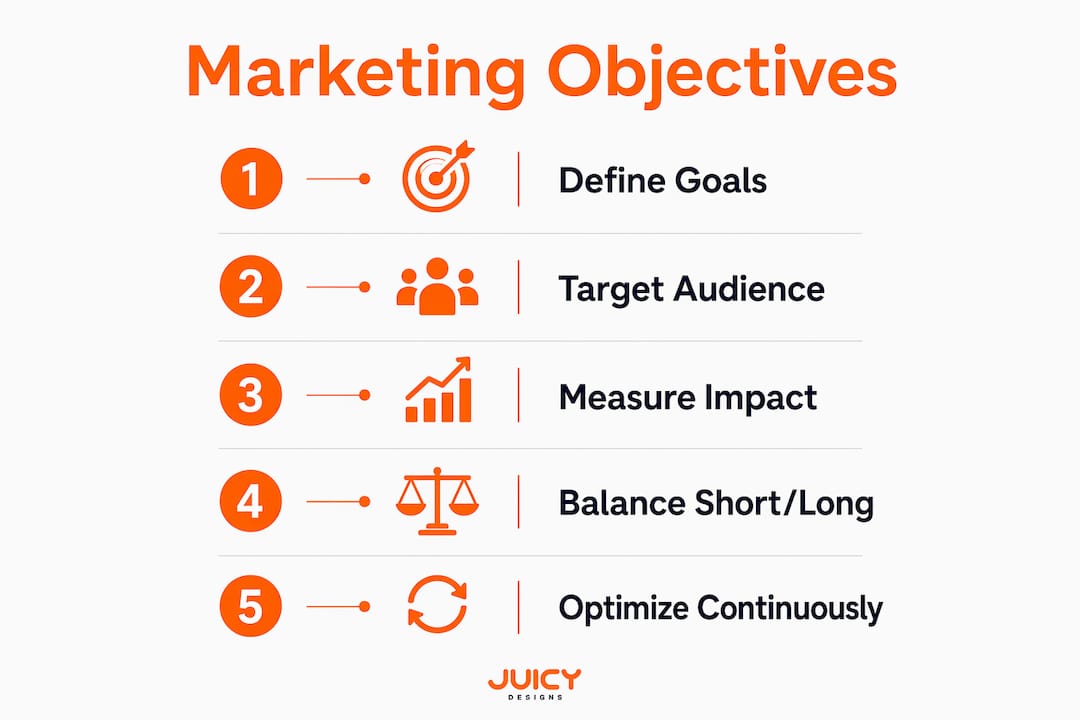
Align your content goals with company KPIs from the start. If your business needs to sell more concert tickets, your content objective should be measurable ticket-link clicks or conversion rates, not just “raise awareness.” If you are growing a streaming subscription base, track trial sign-ups and retention rates alongside engagement.
Apply the SMART framework to every objective:
- Specific: “Grow Instagram Reels views by 40% among 18 to 24-year-olds in Gauteng over 90 days”
- Measurable: attach a number to every goal so you can track progress weekly
- Achievable: benchmark against your current performance, not industry best-case scenarios
- Relevant: tie each objective to a real revenue or audience growth outcome
- Time-bound: set quarterly review cycles so you can adjust before a campaign runs off course
Balance short-term campaign goals with long-term brand building. A single viral moment does not build a loyal audience. Consistency across months and years does.
What makes content resonate with South African entertainment audiences?
Content that reflects real South African life, in real South African language, consistently outperforms polished but generic production. The death of the mass campaign is not a metaphor. It is a documented shift in how audiences respond to brand messaging.
Build your content around narratives that feel lived-in. Behind-the-scenes footage from a music recording session, a candid artist interview in isiZulu, or a short documentary about a township theatre group all carry authenticity that a scripted brand video cannot replicate. South African audiences are highly attuned to content that feels engineered versus content that feels genuine.
For episodic content, use a payoff-plus-hook structure. The first episode must deliver a complete, satisfying story on its own. Then end with a hook strong enough to pull viewers into the next instalment. Starting a series with a teaser or a setup-only episode kills algorithmic momentum before it builds.
Formats that work well for South African entertainment audiences:
- Short-form vertical video (60 to 90 seconds) for discovery on TikTok and Instagram Reels
- Behind-the-scenes content showing artists, crew, and production in unscripted moments
- Artist spotlights in the creator’s home language, with subtitles for broader reach
- Episodic mini-series released weekly to build habitual viewing behaviour
- Live-stream events tied to album drops, film premieres, or theatre opening nights
AI-powered transcreation is changing what is possible here. AI enables brands to take a single core brand truth and produce thousands of culturally localised variations, each adapted to local idiom, regional slang, and community context, without losing brand coherence.
Pro Tip: Before translating any campaign copy, brief your AI tool with a detailed cultural context document for each target language group. Lazy translation loses the humour, warmth, and idiom that make content feel native. True transcreation requires cultural input, not just linguistic conversion.
How do influencer partnerships work in South Africa’s entertainment industry?
The influencer playbook has changed. Macro-only campaigns, built around celebrities with millions of followers, are giving way to balanced creator strategies that combine micro, mid-tier, and macro creators for both authenticity and reach.
South African audiences are community-driven. They trust creators who speak their language, share their cultural references, and feel like a peer rather than a brand spokesperson. Mid-tier creators with 50,000 to 200,000 engaged followers often deliver stronger conversion outcomes than a celebrity post that gets scrolled past.
When selecting creators for entertainment campaigns, prioritise:
- Cultural intelligence: does the creator genuinely understand the community they speak to?
- Engagement quality: comments, shares, and saves matter more than follower count
- Content fit: does their existing content style align with your entertainment brand’s tone?
- Community trust: have they built a reputation for honest, unscripted recommendations?
Co-creative collaboration produces better content than scripted briefs. Give creators a clear brand brief, your non-negotiable messaging points, and then step back. The content performs better when it sounds like the creator, not like a press release.
A practical example of this approach: Sunlight’s #DropYourBarWithSunlight campaign on TikTok and Instagram invited South African youth to co-create rap content around the brand. The campaign generated over 30 million views and produced more than six hours of user-generated music content. That kind of result comes from co-creation, not from a scripted ad.
Trust is the most valuable currency in South African digital marketing. Audiences favour peer and creator recommendations over traditional advertising, and that preference is only growing stronger among younger consumers.
Why video content is non-negotiable for entertainment marketing
Video is where South African entertainment audiences spend their time, and the data backs that up. OTT services like Netflix and Showmax are growing at a 6.7% CAGR in South Africa, driven by affordable mobile data and a strong shift towards on-demand, mobile-first consumption.
Short-form video on TikTok and Instagram Reels drives discovery. Long-form episodic content on YouTube and OTT platforms drives retention. Live-stream events drive real-time community engagement. A complete video strategy uses all three formats, distributed across the platforms where your specific audience segments are most active.
Practical video priorities for South African entertainment marketers:
- Mobile-first production: shoot and edit for vertical formats first, then adapt for horizontal
- Subtitles in multiple languages: accessibility and discoverability improve simultaneously
- Platform-native formats: TikTok content should feel like TikTok, not a repurposed TV ad
- Data-driven length decisions: use platform analytics to find the drop-off point for your audience and cut content before it
For short-form video strategies tailored to South African brands, the key is understanding that each platform has its own content grammar. What works on YouTube Shorts does not automatically work on TikTok, even at the same length.
How do you build a loyal fan community around an entertainment brand?
Community is the long game in entertainment marketing. A loyal fan base amplifies your content organically, defends your brand in public conversations, and converts more reliably than cold audiences reached through paid advertising alone.
Interactive content builds community faster than broadcast content. Polls, challenges, Q&A sessions with artists, and fan voting campaigns all give audiences a reason to participate rather than just consume. When fans feel like they have a stake in the brand’s story, they become advocates.
Tactics that work for South African entertainment communities:
- User-generated content campaigns: invite fans to create content using a branded hashtag or sound
- Private community spaces: Facebook Groups and WhatsApp communities for dedicated fans create intimacy that public feeds cannot replicate
- Regular artist-to-fan interaction: live Q&As, comment replies, and story polls signal that the brand values its audience
- Fan recognition: spotlight fan-created content on official channels to reward participation
Monitor community feedback actively. Negative sentiment in comment sections or community groups is early warning data. Responding to criticism publicly and constructively builds more trust than ignoring it.
Which metrics actually tell you if your entertainment content is working?
Reach and impressions are the least useful metrics for entertainment content marketing. What you actually need to track is engagement depth, audience sentiment, and conversion behaviour.
Key performance indicators for entertainment content:
- Engagement rate: likes, comments, shares, and saves as a percentage of reach
- Video completion rate: what percentage of viewers watch past the 50% and 75% marks
- Audience sentiment: qualitative analysis of comments and community conversations
- Conversion actions: ticket purchases, subscription sign-ups, and app downloads attributed to content
- Cultural resonance: are the right language and regional segments engaging, or is your content only reaching one demographic?
73% of South African organisations now use AI in marketing activities, with tools like ChatGPT and Anthropic Claude supporting content strategy and performance analysis. AI can process large volumes of engagement data quickly, but human judgement is still required to interpret what the numbers mean in cultural context.
Run monthly reporting cycles with a clear optimisation protocol. If a content format is underperforming after four weeks, adjust the format or distribution before the next campaign phase, not after it ends.
How should you run paid social advertising for South African entertainment?
Paid social advertising for entertainment brands in South Africa works best when it amplifies content that is already performing organically. Putting budget behind a post that has already earned engagement is more cost-effective than cold-launching a paid campaign with untested creative.
Layer your audience targeting using three dimensions simultaneously:
- Demographic: age, location, language, and income band
- Behavioural: past interactions with entertainment content, streaming platform usage, and event attendance
- Cultural: interests aligned with specific music genres, sports, or community events relevant to your audience segments
Balance your budget across organic and paid efforts. A common mistake is over-investing in paid promotion while underinvesting in the organic content quality that makes paid amplification worth the spend. Paid social works as an accelerant, not a replacement for genuine content.
Test creative variants for different cultural segments before scaling spend. A campaign targeting Afrikaans-speaking audiences in the Western Cape needs different creative, different copy, and potentially a different platform mix than one targeting isiZulu-speaking audiences in KwaZulu-Natal. Understanding Google Ads audience targeting principles applies equally to social platform targeting logic.
Pro Tip: Use Meta’s Advantage+ audience tools alongside manual interest stacking to let the algorithm find high-converting segments you have not explicitly targeted. Start with a R5,000-R10,000 test budget per creative variant before scaling to full campaign spend.
Why cultural relevance is the foundation of entertainment marketing in South Africa
South Africa’s multicultural reality is not a complication to manage. It is the opportunity. Brands that reflect the country’s diversity authentically build trust across communities that are otherwise hard to reach through traditional advertising.
The shift away from mass campaigns is driven by a simple truth: South African consumers demand to be understood in their specific context, not just seen in a generic campaign. An isiZulu speaker in Durban and an Afrikaans speaker in Paarl both notice immediately when content was not made with them in mind.
Practical steps for building cultural relevance:
- Include voices from multiple language groups in your content planning team, not just in the final production
- Avoid tokenistic representation. One character from a specific community in a campaign built around another culture reads as performative
- Use local talent, local locations, and local cultural references that audiences will recognise without explanation
- Review all content for cultural sensitivity before publication, with input from community members, not just internal teams
How do you define and maintain a brand voice for an entertainment company?
Your brand voice is the personality your audience experiences across every piece of content you publish. For entertainment companies, that voice needs to match the emotional register of the entertainment itself. A comedy club brand sounds different from a classical music venue, and both sound different from a film festival.
Define your brand voice with three to five specific attributes, then test every piece of content against them before publishing. If your voice is “bold, community-driven, and proudly South African,” a formal press-release-style caption fails the test immediately.
Consistency across platforms matters more than perfection on any single platform. Your brand voice on TikTok should feel like a younger, more casual version of your brand voice on LinkedIn, not a completely different personality. Audiences who follow you across platforms notice the disconnect when the voice shifts too dramatically.
Use storytelling techniques that evoke the emotional response you want your audience to associate with your brand. Humour, nostalgia, pride, and excitement all work in entertainment marketing, but only when they are deployed consistently and authentically, not as one-off tactics.
South African entertainment market trends driving content marketing in 2026
South Africa’s entertainment and media market is heading towards R321.2bn by 2029, with digital advertising projected at 74% of total ad spend. The brands that capture that growth will be those that master cultural precision, creator-led content, and AI-powered localisation simultaneously.
The structural shift in South African marketing is clear. Digital advertising is surpassing print by 2028, and digital out-of-home advertising is overtaking traditional billboards. Entertainment marketers who are still allocating the majority of their budgets to traditional channels are already behind.
Creator-led content is the dominant format for 2026. South African marketing in 2026 prioritises mid-tier and micro creators with genuine cultural intelligence over celebrity-tier influencers with broad but shallow reach. The most effective campaigns combine creator tiers to deliver both authenticity and scale.
AI is now standard practice. 73% of South African organisations use AI in marketing, but the competitive edge has shifted to those who combine AI capability with human cultural understanding. AI handles the production scale. Humans provide the cultural judgment that makes localised content feel genuine rather than generated.
The attention economy in South Africa rewards consistency and cultural contribution. Brands earn attention through consistent, culturally relevant content rather than buying it through volume. Youth audiences in particular will engage deeply with content that earns their attention, sometimes for hours, but they will scroll past anything that feels engineered or irrelevant.
For a detailed content marketing framework built specifically for the South African market, the principles above translate into a practical quarterly planning process that keeps cultural precision at the centre of every campaign decision.
Which platforms should South African entertainment brands prioritise?
Platform selection is one of the most consequential decisions in your content strategy, and the answer is not “be everywhere.” South African digital marketers are becoming more selective, concentrating effort on platforms where their audiences are genuinely active rather than maintaining a presence everywhere.
Facebook remains South Africa’s largest social platform and has returned to growth, making it essential for broad entertainment audience reach and community group building. Instagram has regained momentum and is particularly strong for visual entertainment content, artist branding, and Reels-driven discovery. TikTok functions as a discovery engine, a cultural barometer, and increasingly a search tool for younger South African audiences. YouTube is the home for long-form content, episodic series, and music video distribution. LinkedIn matters for B2B entertainment industry relationships, not consumer audience building.
For entertainment brand social media growth in 2026, the practical approach is to select two or three primary platforms based on where your specific audience segments are most active, then build platform-native content strategies for each rather than repurposing the same content across all of them.
Optimise your presence on each chosen platform by posting at peak activity times for your audience, using platform-specific features (TikTok Sounds, Instagram Collabs, YouTube Chapters), and engaging with comments within the first hour of posting to signal activity to the algorithm.
How do entertainment companies distribute content effectively?
Distribution is where most entertainment content strategies fall short. Creating great content and then posting it once on your own channels is not a distribution strategy. It is a starting point.

A complete distribution approach for entertainment content works across three layers. Owned channels (your website, email list, and social profiles) give you direct access to your existing audience. Earned distribution (creator shares, press coverage, and community reposts) extends your reach organically. Paid distribution (boosted posts, programmatic display, and connected TV advertising) accelerates reach to new audiences.
For the South African market specifically, WhatsApp is an underutilised distribution channel for entertainment content. Fan communities, event reminders, and exclusive content drops via WhatsApp Business reach audiences in a space that feels personal rather than broadcast. Email newsletters remain effective for older audience segments and for premium content like early ticket access or exclusive artist updates.
Cross-platform content repurposing extends the life of every piece you produce. A 10-minute YouTube documentary becomes three TikTok clips, two Instagram Reels, five story frames, and a blog post. Each format serves a different platform and a different moment in the audience’s discovery journey.
Why collaborating with local artists and industry stakeholders matters
Local artist collaborations are not just a content tactic. They are a trust signal. When a South African entertainment brand partners with a respected local artist, it borrows the trust that artist has already built with their community.
The most effective collaborations give artists genuine creative input rather than scripting their participation. Audiences can tell the difference between an artist who chose to collaborate and one who was paid to appear. The former builds brand equity. The latter often undermines it.
Beyond artists, build relationships with industry stakeholders including venue operators, event promoters, music labels, film distributors, and theatre companies. Co-produced content with these partners reaches their existing audiences while adding credibility to your brand’s position in the industry.
Practical collaboration formats that work in South Africa’s entertainment sector include joint content series, co-hosted live events, shared social campaigns with dual-brand tagging, and behind-the-scenes access content produced in partnership with artists during recording, filming, or rehearsal.
How do you adapt content for different entertainment formats?
Music, film, theatre, and live events each have their own content rhythms, and a one-size approach across formats produces mediocre results in all of them.
Music content thrives on release-cycle marketing. Build anticipation with teaser clips, lyric reveals, and studio footage in the weeks before a release. On release day, activate creator partnerships to amplify the track simultaneously across multiple communities. Post-release, sustain engagement with live performance clips, fan reaction content, and behind-the-scenes production stories.
Film and series content requires a longer campaign arc. Start with cast and crew spotlights weeks before release. Build to trailer drops and press coverage. Activate community discussions around themes and characters during the viewing window. Extend the conversation post-release with commentary content, fan theories, and director or cast Q&As.
Theatre and live events benefit from urgency-driven content. Countdown content, limited ticket availability posts, and day-of live coverage all drive action. Post-event content, including audience reactions, highlight reels, and performer reflections, extends the campaign beyond the event date and builds anticipation for future productions.
The common thread across all formats is that content should map to the audience’s emotional journey, from discovery and anticipation through the experience itself and into the community conversation that follows.
What legal and copyright considerations apply to entertainment content marketing?
Copyright compliance is not optional in entertainment content marketing, and the consequences of getting it wrong in South Africa can include content takedowns, platform penalties, and legal liability.
South Africa’s copyright framework is governed by the Copyright Act 98 of 1978, with ongoing legislative updates that entertainment marketers need to monitor. Any music, film footage, photography, or written content used in marketing materials requires either ownership, a valid license, or a clear fair-use justification.
Key legal considerations for entertainment content marketers:
- Music licensing: using a song in a promotional video, even briefly, requires a synchronisation license from the rights holder. SAMRO (the Southern African Music Rights Organisation) manages performance rights for many South African works
- Talent agreements: ensure all artist collaborations, influencer partnerships, and creator co-productions are covered by written agreements that specify content usage rights, exclusivity terms, and payment conditions
- POPIA compliance: the Protection of Personal Information Act governs how you collect, store, and use audience data for targeting and personalisation. Any data-driven campaign must comply with POPIA requirements
- User-generated content rights: when you run a campaign that invites fan content creation, your campaign terms must clearly state how you intend to use that content and what rights participants grant you
- Platform terms of service: each social platform has its own content policies. Violations can result in content removal or account suspension, which disrupts your entire distribution strategy
Build a legal review step into your content approval process, particularly for campaigns involving licensed music, third-party footage, or large-scale user-generated content collection.
Key takeaways
South Africa’s entertainment content marketing success in 2026 depends on cultural precision, creator-led distribution, and data-driven optimisation working together as one integrated strategy.
| Point | Details |
|---|---|
| Cultural precision drives results | Brands that speak natively to distinct South African communities consistently outperform mass campaign approaches. |
| Digital advertising is dominant | Digital ad spend is projected to reach 74% of total South African ad spend by 2029, led by social, OTT, and connected TV. |
| Creator tiers matter | Combining micro, mid-tier, and macro influencers delivers both authentic engagement and scalable reach across diverse audiences. |
| AI enables localisation at scale | 73% of South African organisations use AI in marketing; the competitive edge goes to those who pair AI with human cultural judgment. |
| Legal compliance is foundational | POPIA, SAMRO licensing, and talent agreements must be built into every campaign process, not added as an afterthought. |
FAQ
What is the most important factor in South African entertainment content marketing?
Cultural precision. Brands that create content speaking natively to specific South African communities, in their language and cultural context, consistently outperform broad mass campaigns.
Which social platforms work best for South African entertainment brands?
Facebook remains the largest platform by reach, while TikTok and Instagram Reels drive discovery among younger audiences. Platform selection should match your specific audience segment rather than defaulting to all channels simultaneously.
How much should an entertainment company budget for social media advertising in South Africa?
The South African Social Media Landscape Report 2026 found that most organisations spend less than R10,000 per month on social media advertising. Start with a test budget per creative variant and scale based on performance data.
How do influencer partnerships differ for entertainment versus other industries?
Entertainment influencer campaigns work best when creators have genuine cultural connection to the content, not just large followings. Co-creative briefs that give creators creative freedom consistently outperform scripted brand placements in engagement and conversion.
What legal requirements apply to entertainment content marketing in South Africa?
Key requirements include POPIA compliance for audience data, SAMRO licensing for music used in promotional content, written talent agreements for all creator collaborations, and clear terms of service for user-generated content campaigns.
Ready to build a content marketing strategy that actually moves the needle for your entertainment brand? Juicy Designs delivers full-service digital marketing built for the South African market, with founder-led strategy, no long-term contracts, and a proven strong ROAS performance. Talk to us about your entertainment brand’s content goals today.