
How social ads work in retail: a 2026 guide
Discover how social ads work in retail to boost customer engagement and conversions. Unlock valuable strategies for 2026 marketing success.
How social ads work in retail: a 2026 guide ! Retail marketing manager working on social ads > TL;DR: > > - Social ads in South Africa are essential for retail marketing due to increased social media use and declining organic reach.



TL;DR:
- Social ads in South Africa are essential for retail marketing due to increased social media use and declining organic reach. They drive conversions through precise targeting, authentic content, and full-funnel strategies while measuring success via brand awareness, engagement, and sales. Building trust with genuine content and consistent campaigns leads to better ROI than focusing solely on volume or impressions.
Social ads in retail are paid promotional posts on social media platforms that use audience data, targeting tools, and platform-specific formats to drive shoppers towards a purchase. Understanding how social ads work in retail is no longer optional for South African marketers. South Africa has nearly 41 million active social media users, making social platforms one of the most direct routes to retail customers available. The challenge is not reaching people. The challenge is reaching the right people with content they actually trust.
How do social ads drive customer engagement and conversions in retail?
Social ads drive retail conversions by combining precise targeting with formats built for purchase behaviour. Unlike a billboard or a radio spot, a social ad can reach a 32-year-old woman in Pretoria who browsed running shoes last Tuesday and has not bought yet. That specificity is what separates social media advertising from traditional retail marketing.
The mechanisms behind engagement break down into three areas:
- Targeted formats: Native product tags on Instagram and Facebook Stories place products directly in the feed without interrupting the browsing experience. Shoppable posts let shoppers tap a product and move towards checkout without leaving the app.
- Retailer-owned digital journeys: South African retailers like Pick n Pay and Shoprite integrate rewards programmes, search, and payments within their own apps. Social ads initiate discovery, but the sale completes inside the retailer’s ecosystem. This approach protects margin and keeps customer data in-house.
- Authentic influencer content: 60% of South African consumers purchase based on influencer recommendations, with authenticity driving purchase intent more than follower count. Consumers evaluate influencers through expertise and relevance, not just popularity.
Cultural fluency matters as much as targeting precision. An ad that uses the right language, references local experiences, and reflects real South African life performs better than a polished global template. Screen fatigue is real, and generic content disappears into the scroll.
Pro Tip: Build your first retargeting audience from people who engaged with your organic posts. They already know your brand, so your conversion cost drops significantly compared to cold audiences.

What are the most effective social ad formats and platforms for retail?
Platform choice directly affects your ad results. The South African social media mix is shifting, and retail marketers need to follow the money and the attention.
| Platform | Primary ad use | Retail strength |
|---|---|---|
| Awareness, retargeting, lead generation | Largest reach, detailed audience targeting | |
| Product discovery, shoppable posts | Visual commerce, younger demographics | |
| WhatsApp Business | Direct customer communication | High open rates, personal engagement |
| B2B retail, trade partnerships | Growing fast in SA market |
LinkedIn ad spend in South Africa grew from 25% to 36%, while Facebook dropped slightly from 40% to 37%. Instagram climbed from 12% to 17%. This shift reflects a maturing market where retail marketers diversify rather than rely on a single platform.
Organic reach on Facebook has dropped to 2-5%, which means a retail brand with 10,000 followers reaches fewer than 500 people per post without paid support. Paid social ads fill that gap directly. A starter budget for Facebook and Instagram ads sits at around R1,500-R3,000 per month for small retail businesses, making it accessible without requiring a large marketing department.
Shoppable posts and social commerce features work best when connected to a retailer-owned checkout or app. Relying solely on in-platform checkout creates friction for South African consumers who prefer familiar payment environments.
Pro Tip: Test WhatsApp Business broadcast messages alongside your paid social campaigns. The combination of paid discovery and direct messaging creates a two-touch sequence that moves shoppers from awareness to purchase faster.
How can retail marketers measure the impact of social ads?
Measurement is where most retail social ad campaigns lose momentum. Marketers track impressions and likes but miss the metrics that connect to revenue.
The three metrics that matter most for retail social advertising are:
- Brand awareness lift: Measures how many more people recognise your brand after a campaign. Brand awareness returns from social ads remain high at 69%, even as direct sales returns have declined.
- Engagement rate: Tracks likes, comments, shares, and saves as a percentage of reach. High engagement signals that your content resonates before you invest in conversion campaigns.
- Sales conversion rate: The percentage of ad clicks that result in a purchase. This is the number that connects your ad spend to actual revenue.
The uncomfortable truth is that sales as a return on social ad spend have dropped below 30% despite rising budgets. This does not mean social ads do not work. It means the path from ad to sale requires more touchpoints than it did three years ago.
Retargeting users who engaged with organic posts produces higher conversion rates than cold audience campaigns. You can measure social media ROI by tracking cost per acquisition alongside engagement data to identify which content types move people towards purchase. Combining these signals gives you a clearer picture of what your budget is actually doing.
Balancing AI tools with authentic brand presence is also a measurement issue. 88% of marketers use AI daily, but 62% of consumers distrust fully AI-generated content. If your AI-generated ads are driving impressions but not conversions, consumer skepticism is likely the cause.
What are best practices for implementing retail social ad campaigns?
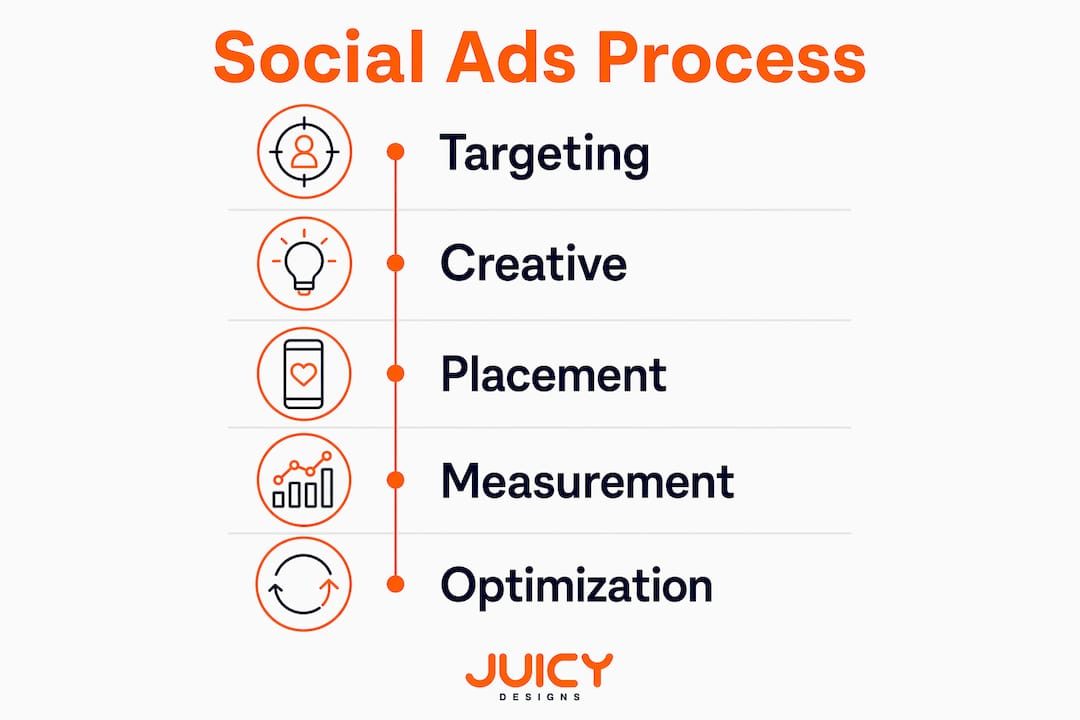
Retail marketers who get consistent results from social ads follow a clear process rather than running campaigns on instinct.
-
Set a realistic budget aligned with your goals. A brand awareness campaign for a small retail store in Pretoria can start at R1,500 per month. A conversion-focused campaign targeting warm audiences needs R3,000 or more to generate enough data to optimise.
-
Combine organic and paid efforts. Paid and organic social media working together, featuring real customer stories and limited-time offers, outperforms polished corporate content. Organic posts build the audience. Paid ads amplify what already works.
-
Prioritise cultural relevance. South African consumers respond to content that reflects their actual lives. Use local references, local language where appropriate, and real customer faces rather than stock photography.
-
Avoid over-reliance on AI-generated content. AI tools speed up production, but consumer skepticism towards fully AI-generated content is documented and growing. Use AI for research, scheduling, and analysis. Use human creativity for the content itself. The AI vs. traditional marketing debate is not about choosing one or the other. It is about knowing which tool to use at each stage.
-
Build a full-funnel structure. Run awareness ads to cold audiences, engagement ads to warm audiences, and conversion ads to people who have visited your site or engaged with your content. Each stage serves a different purpose and requires a different budget allocation.
-
Review and adjust every two weeks. Social ad performance shifts quickly. An ad that works in week one may plateau by week three. Regular review cycles prevent wasted spend and keep your campaigns improving.
The retail digital marketing best practices for 2026 point consistently towards one conclusion: consistency beats intensity. A steady, well-targeted campaign running for three months outperforms a large burst campaign every time.
Key takeaways
Social ads in retail work best when precise targeting, authentic content, and a full-funnel structure combine to move shoppers from discovery to purchase across multiple touchpoints.
| Point | Details |
|---|---|
| Paid ads are now essential | Organic Facebook reach has dropped to 2-5%, making paid social ads necessary for retail visibility. |
| Authenticity drives conversions | 60% of SA consumers buy based on influencer recommendations, with authenticity outweighing follower count. |
| Measure beyond impressions | Track brand awareness lift, engagement rate, and sales conversion rate to connect spend to revenue. |
| Combine organic and paid | Real customer stories paired with paid amplification outperform polished corporate content in South Africa. |
| Budget realistically | Small retail businesses can start Facebook and Instagram ads from R1,500-R3,000 per month. |
Why authentic engagement beats volume in retail social ads
The metric I see retail marketers chase most often is reach. More impressions, more followers, more shares. I understand the appeal. Big numbers feel like progress. But after working with retail clients across South Africa, I have found that reach without trust produces very little revenue.
The data backs this up. Brand awareness returns sit at 69%, but sales returns have dropped below 30%. That gap exists because consumers are more skeptical than they were two years ago. They scroll past polished ads. They notice when content feels generated rather than genuine. They buy from brands that feel like real people, not marketing machines.
What actually works is a combination of cultural fluency and consistency. A retail brand in Pretoria that posts real staff members, real customer reviews, and real product moments will outperform a brand running expensive AI-generated video ads with no local context. The tools available through platforms like Valiz can help marketers manage and analyse campaigns more effectively, but the content itself still needs a human hand.
The brands I have seen grow their social ad ROI consistently are the ones that treat paid ads as amplifiers of genuine content, not replacements for it. They build trust organically, then use paid budgets to put that trusted content in front of more people. That sequence matters more than any single ad format or platform choice.
By Cobus
How Juicydesigns supports retail social advertising
Retail businesses in Pretoria and Midrand that want measurable results from social ads work with Juicydesigns for one clear reason: founder-led service with no middlemen. Every campaign is built around your specific retail goals, your budget, and your customers. Juicydesigns combines data-driven targeting with authentic storytelling to produce campaigns that build brand awareness and drive real sales. The agency’s average return on ad spend of 4.8x, nearly double the industry standard, reflects a process that connects social ad investment to revenue. Contact Juicydesigns to build a retail social ad strategy that fits your market and your numbers.
FAQ
What is a realistic social ad budget for a retail store in South Africa?
A small retail business can start Facebook and Instagram advertising from R1,500-R3,000 per month. This budget is enough to test targeting, gather performance data, and run basic awareness or retargeting campaigns.
Why are my social ads getting views but not sales?
Sales returns from social ads have dropped below 30% across South Africa, while brand awareness returns remain near 69%. Most shoppers need multiple touchpoints before buying, so a retargeting sequence after initial awareness exposure is necessary to convert views into purchases.
Which social media platform works best for retail advertising in South Africa?
Facebook and Instagram remain the primary platforms for retail social media advertising in South Africa, with Instagram growing fastest in ad spend. WhatsApp Business adds direct engagement value, and LinkedIn is growing for B2B retail applications.
How does authentic content affect retail social ad performance?
Authentic content, including real customer stories and local cultural references, consistently outperforms polished corporate content in South Africa. Consumer distrust of fully AI-generated content is documented, making human-led creative a competitive advantage in retail social ads.
How do I measure whether my retail social ads are working?
Track three core metrics: brand awareness lift, engagement rate, and sales conversion rate. Use engagement data from organic posts to build retargeting audiences, then measure cost per acquisition to connect your ad spend directly to revenue.
Recommended
- How social media marketing works: 2026 guide | Juicy Designs
- Retail Digital Marketing Best Practices for 2026 | Juicy Designs
- Automotive social media ad types: the 2026 dealer guide | Juicy Designs
- How Social Media Marketing Works: 2026 Guide | Juicy Designs