
What is a marketing case study: a guide for businesses
A marketing case study is a structured account of how a specific client achieved a measurable result, covering the starting position, the work done, and what changed.
Its value comes from verifiable numbers and a clearly described client, not from adjectives.



TL;DR:
- A marketing case study tells a detailed story of how a client achieved measurable success using a product or service. It follows the SCSR framework: Situation, Challenge, Solution, and Result, with each part supported by concrete metrics and a client quote. Well-structured case studies build trust, demonstrate results, and effectively support marketing efforts.
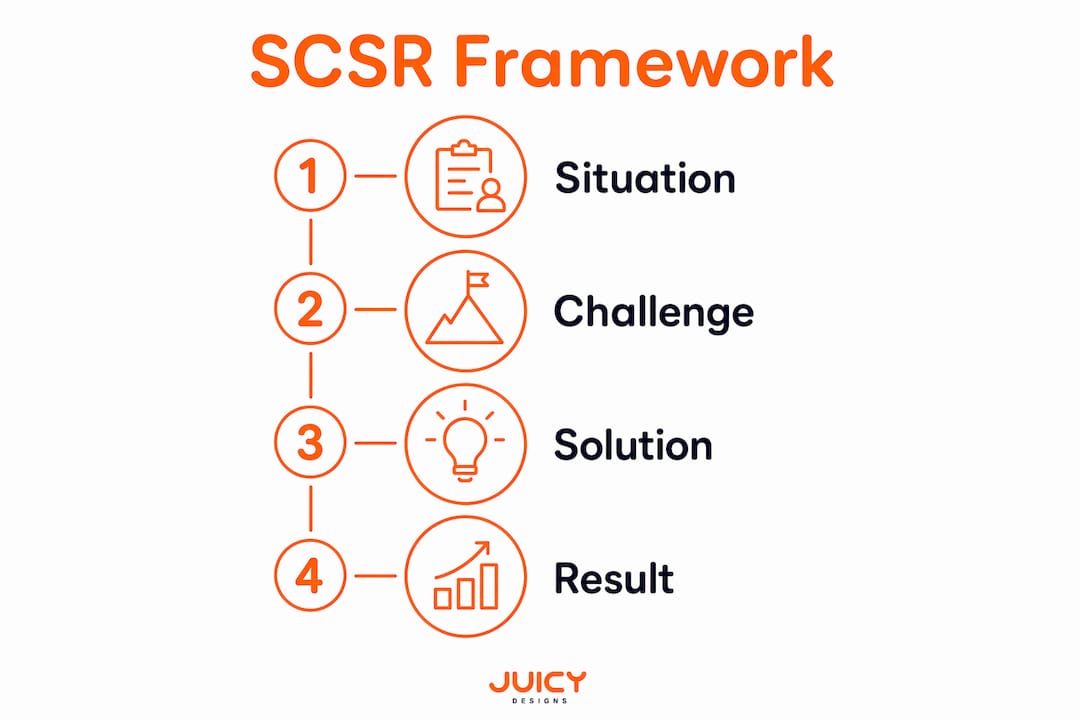
A marketing case study is a detailed, evidence-based story showing how a real client achieved measurable success using a product or service. Known formally as a client success narrative, it follows the SCSR framework: Situation, Challenge, Solution, and Result. The best case studies run 500 to 1,500 words and anchor every claim to concrete metrics like return on investment, conversion rates, or revenue growth. Juicy Designs, for example, documented a 312% increase in qualified leads for a local dealership. That kind of proof does more selling than any brochure.
What is a marketing case study made of?

Effective case studies use the SCSR structure to build a logical, trust-earning narrative. Each section serves a specific purpose, and skipping one weakens the whole story.
Situation
The situation section introduces the client and their context. Include the industry, company size, and any relevant background that helps readers see themselves in the story. Specificity matters here. A vague “mid-sized company” tells prospects nothing, but “a Pretoria-based automotive dealership with three branches” creates immediate recognition.
Challenge
The challenge section presents the client’s problem, ideally in their own words. Presenting the challenge in the client’s voice strengthens authenticity and makes the narrative relatable. Describe what the client tried before seeking help, and why those attempts fell short. This context shows prospects that you understand real-world constraints, not just textbook problems.
Solution
The solution section explains the specific strategies you implemented. Name the channels, tools, and tactics used. Avoid vague language like “we improved their digital presence.” Instead, write “we ran Google Ads campaigns targeting high-intent search terms and rebuilt their landing pages to reduce bounce rate.” Precision builds credibility.
Result
The result section is where the case study earns its keep. Measurable performance metrics like conversion cost, leads generated, and revenue increases give prospects concrete evidence of success. The Umngazi Hotel and Spa case, for instance, recorded 666 Google Ads conversions at R14.43 cost per conversion, with Meta campaigns generating 155 leads at R93.64 cost per lead. Numbers like these remove doubt.
- Situation: Client background, industry, and context
- Challenge: The problem in the client’s own words, including prior failed attempts
- Solution: Named tactics, channels, and tools used
- Result: Quantified outcomes with percentages, rand values, or volume metrics
- Client quote: A direct testimonial that validates the data emotionally
Pro Tip: Always pair your result metrics with a short client quote. Data convinces the mind; a real person’s words convince the gut. Both together close the gap between interest and action.
How to write a case study that builds trust and drives conversions
Writing a case study that converts requires discipline. The biggest mistake is centering the story on your business instead of your client. Clear, problem-focused storytelling told from the customer’s viewpoint avoids the trap of sounding like a sales brochure.
Follow these steps to write a case study that works:
- Start with the client’s story. Open with who the client is and what they were struggling with. Resist the urge to mention your business in the first paragraph.
- Use the client’s language. Conduct a brief interview or review feedback emails. Pull direct quotes that describe the problem in plain terms.
- Keep it concise. Shorter case studies of 500 to 1,500 words retain reader engagement better than lengthy deep-dive documents. Trim anything that does not directly support the result.
- Anchor every claim to data. Replace “significant growth” with “a 47% increase in organic leads over 90 days.” Vague claims destroy trust faster than no claim at all.
- End with a clear outcome statement. Summarise the before-and-after in one or two sentences. This is the line prospects will remember and repeat to their colleagues.
- Add a relevant call to action. Invite readers to contact you, read another case study, or request a proposal. The story should lead somewhere.
Pro Tip: Before writing, ask your client: “What would you tell a friend who asked why you chose us?” That answer is usually your best opening line.
Understanding how to measure marketing ROI before you write your case study makes the result section far stronger. If you tracked the right metrics during the campaign, you will have the numbers that prospects actually care about.
Marketing case study examples: what works and why
The format of a case study affects how well it performs. Written case studies remain the most common format, but video and multimedia formats increase engagement and can be integrated with traditional written versions to boost storytelling and SEO impact. Visual storytelling with elements like video chapters, schema markup, and AI-optimised content improves search visibility and user connection.
The difference between a testimonial and a full case study is significant. A testimonial is one element of a case study. A complete case study combines the client’s pre-challenge status with specific, quantifiable results after the intervention, providing an evidence-based roadmap that helps potential clients relate and trust the story.
| Feature | Testimonial | Full case study |
|---|---|---|
| Length | 1 to 3 sentences | 500 to 1,500 words |
| Data included | Rarely | Always |
| Client voice | Yes | Yes |
| Narrative structure | None | SCSR framework |
| Conversion impact | Moderate | High |
| SEO value | Low | High |
Strong case study examples share these qualities:
- They name the client (with permission) and include a photo or logo
- They show a clear before-and-after using specific numbers
- They use brand storytelling to connect emotionally before presenting data
- They include at least one direct client quote in the result section
- They are formatted for skimmability with subheadings and bold metrics
The most effective case studies blend emotional storytelling with logical data. Emotional and data-driven case studies connect with audiences emotionally yet support claims with solid evidence such as revenue growth or ROI. That combination is what separates a case study that gets read from one that gets closed.
What are the benefits of case studies in marketing?
Case studies do heavy lifting across the entire marketing funnel. They build credibility at the awareness stage, reduce objections at the consideration stage, and accelerate decisions at the conversion stage.
Case studies help small businesses compete with larger competitors through real customer success stories. By sharing client journey details and measurable outcomes, they build trust and grow business even with limited budgets. That makes them one of the highest-return content investments available to marketing professionals.
The core benefits include:
- Social proof at scale: One well-written case study can be repurposed across your website, sales decks, email campaigns, and social media
- Competitive differentiation: Proof of results separates you from competitors who only make promises
- Sales team support: Sales professionals use case studies to handle objections and shorten the decision cycle
- SEO and organic reach: Long-form, keyword-rich case studies attract search traffic from prospects actively researching solutions
- Stakeholder communication: Case studies translate complex marketing strategies into plain language that non-marketing decision-makers can evaluate
The importance of marketing case studies grows when your service is intangible or high-value. Prospects cannot test a digital marketing strategy before buying it. A case study is the closest thing to a product demonstration they will get.
Key takeaways
A marketing case study is the most credible content format available because it combines the client’s voice, measurable data, and a clear narrative structure to build trust with prospects who cannot yet verify your claims firsthand.
| Point | Details |
|---|---|
| Use the SCSR framework | Structure every case study as Situation, Challenge, Solution, and Result for maximum clarity. |
| Keep it 500 to 1,500 words | Concise case studies retain reader engagement and convert better than lengthy documents. |
| Lead with the client’s story | Open with the client’s problem, not your business credentials, to avoid sounding promotional. |
| Anchor results to data | Replace vague claims with specific metrics like cost per lead, conversion rate, or revenue increase. |
| Repurpose across channels | One strong case study can serve your website, sales team, email campaigns, and social media simultaneously. |
My view on what actually makes a case study convert
Most case studies I see from South African businesses make the same mistake: they spend two-thirds of the document talking about themselves. The client becomes a footnote. That approach kills trust before the reader reaches the result section.
The case studies that actually convert put the client’s problem front and centre from the first sentence. Prospects read case studies because they are looking for someone who has solved their specific problem before. If your case study reads like a company profile, you have missed the point entirely.
I also see businesses skip the “before” data because they did not track it at the start of the campaign. That is a costly oversight. Without a baseline, your results have no context. A 50% increase in leads sounds impressive until you realise the starting point was two leads per month. Always document the starting metrics before you begin any campaign, even if you plan to write the case study later.
For the South African market specifically, rand-denominated metrics resonate more than percentage-only claims. A prospect in Johannesburg or Pretoria wants to know what R10,000 in ad spend returned, not just that “ROAS improved.” Keep your numbers local and concrete. Update your case studies at least once a year so the data stays relevant and the client relationship stays visible.
, Cobus
How Juicy Designs helps you build proof that converts
Juicy Designs is a founder-led digital marketing agency based in Pretoria, South Africa, and every campaign we run is built to produce the kind of measurable results that make strong case studies possible. Our services cover SEO, Google Ads management, and social media marketing, all tracked against clear performance metrics from day one. We maintain an average ROAS of 4.8x across our client base, nearly double the industry standard, because we document and optimise every rand spent. If you want campaigns that generate real results and the case study material to prove it, our full-service digital marketing team is ready to build that with you. Reach out to discuss what measurable growth looks like for your business.
FAQ
What is the SCSR framework in a marketing case study?
SCSR stands for Situation, Challenge, Solution, and Result. It is the standard structure used to organise a marketing case study so that prospects can follow the client’s journey from problem to outcome.
How long should a marketing case study be?
Case studies of 500 to 1,500 words perform best for lead conversion. Longer documents tend to lose reader engagement before reaching the result section.
What is the difference between a testimonial and a case study?
A testimonial is a short client statement, usually one to three sentences. A case study includes the full narrative: client background, the problem, the strategy used, and quantified results supported by data.
How do case studies help with SEO?
Case studies generate organic search traffic because they are long-form, keyword-rich content that answers specific questions prospects are already searching for. Adding schema markup and multimedia elements further improves search visibility.
How often should you update a marketing case study?
Update case studies at least once a year to keep the data current and the client relationship visible. Outdated metrics reduce credibility, especially in fast-moving markets like digital advertising.